Writing the code got fast. The time was hiding in the messages around it.
AI made building software fast. I’ve had working first versions of apps running in an afternoon this year.
The calendar on a client project doesn’t shrink the same way by itself. A client spots something on Tuesday and emails about it on Wednesday. We ask what they meant on Thursday. The fix takes an hour and lands the following week.
I’ve run a software company for 25 years, I’m a data geek, and I got curious enough to count.
What I counted
I went back through our replies to client tickets. About a THIRD of them were us asking what the client meant. Which screen? What did you expect to happen?
Nobody was doing anything wrong. A client is busy and writes “it’s broken.” A developer can’t fix “it’s broken.”
The plain fix is a ticket form with required fields. A form can make you fill in a box. It can’t tell that what you typed doesn’t answer the question.
Three places we cut the wait
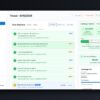
AI reads the message before it becomes a ticket. It splits a brain dump into separate tickets, asks for what’s missing (two short questions at most), and checks whether we already have a ticket for it. The client looks it over and files it.
The investigation starts on its own. When a new ticket describes a real defect, an AI agent reads that project’s code (it can read it, it can’t change it) and writes up where the problem likely is, how to fix it and how to check the fix. We get an email when it’s done. By the time one of us opens the ticket, the homework is finished. Nothing goes to the client until a person has read it.
The button lives on the site itself. Each client’s development site gets a “Report an issue” button. They click it on the screen they’re looking at, the page address fills itself in, they attach a screenshot, and the same AI intake runs right there. It only shows up on the development site, never on the live one.
What the client gets
Fewer emails, for a start. The hours we used to spend on back-and-forth go into the software.
That changes what fits in a budget. The bells and whistles that used to be too expensive to include start making the list.
Now we measure all of it
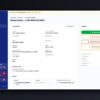
Counting one thing by hand got us started. The newest piece is a report, built into the same system, that follows every ticket through four clocks: how long it waited to start, how long we worked on it, how long it sat with the client, and how long it took from opened to resolved.
It also tracks two numbers I’d call quality. How many fixes got sent back from review, and how many tickets were reopened after we called them done.
We use medians, because the slowest tickets take three to four times as long as the typical one and would swamp an average. When I pulled the numbers, 34 tickets had been closed with no fix at all, mostly duplicates and questions that already had an answer.
The client sees the same report we do, including the hours a ticket spent waiting on THEM.
I don’t have a clean before-and-after yet. The report is new. Ask me in a few months.
If you pay for custom software, ask for that breakdown. It’s a fair question, and not every team can answer it.
On your last software project, how much of the calendar went to building, and how much went to messages about what to build?
Related: The Agency Project Management System We Run On · Client Delivery Agent